October 2026 Skywatching Guide: Saturn's Biggest Night, a Vanishing Star Cluster, and Two Meteor Showers
If you stepped outside this evening, you already caught the Harvest Moon rising in the east with Saturn riding along beside it — a nice enough show on its own. But that turns out to be just the opening act. October 2026 is stacked: Saturn's single brightest night of the year, back-to-back meteor showers, a swift little dawn line-up of the Moon, Mars and Jupiter, and a genuinely rare moment when the full Moon quietly erases an entire star cluster from the sky. Here's the full lineup, in order.
October 4 — Saturn's Biggest, Brightest Night
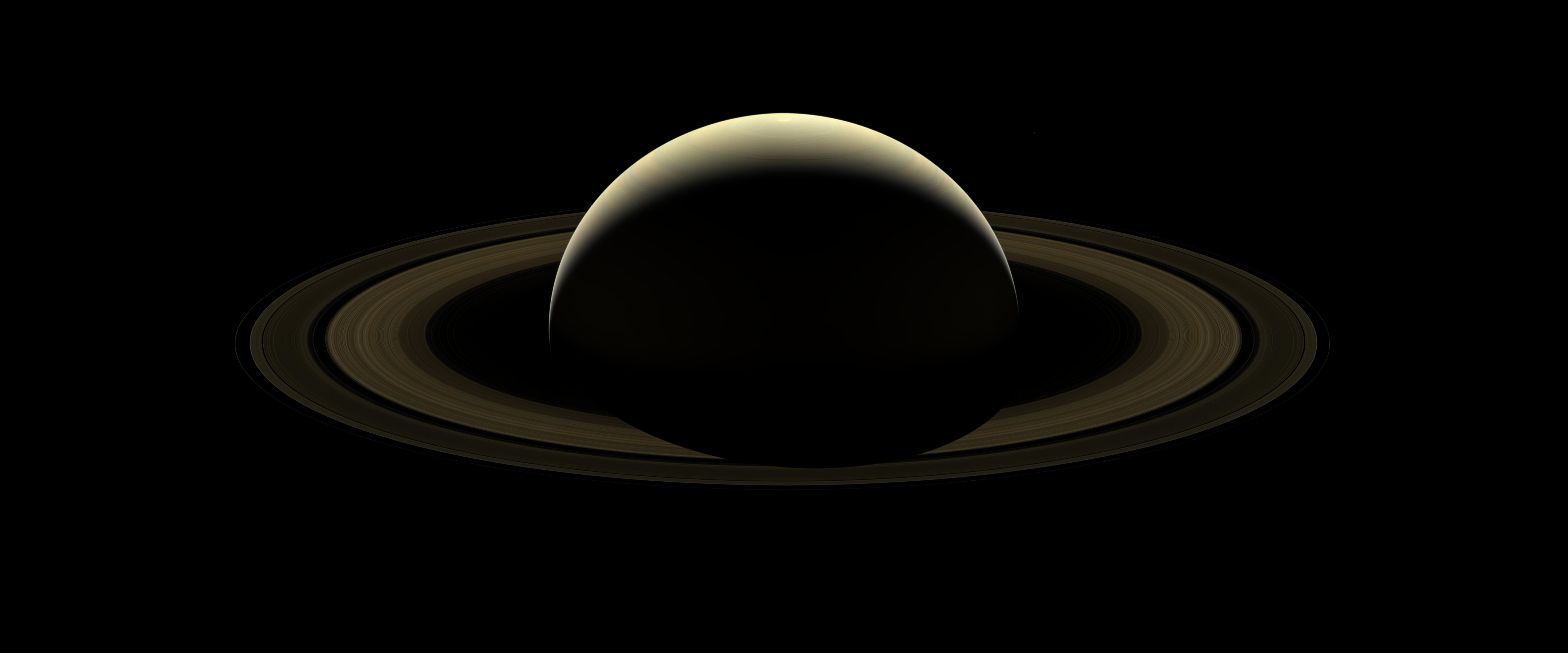
Saturn reaches opposition, sitting directly opposite the Sun from Earth. That means it rises at sunset, stays up all night, and is as close and as bright as it will get all year. You don't need any equipment to spot it — it's the steady, golden, non-twinkling “star” in the south-southeast by around 11 p.m. — but if you've got even a small telescope, this is the single best night of 2026 to point it at Saturn and actually see the rings.
October 5 — Moon, Mars, and Jupiter Share the Dawn
Before sunrise, a crescent Moon pairs up with reddish Mars in the eastern sky, with bright Jupiter hanging just below the two of them. It's a nice three-way photo opportunity if you're already up early — no equipment needed, just a clear view of the eastern horizon about an hour before sunrise.
October 8–9 — Draconid Meteor Shower
The Draconids are a quirky shower: usually modest at around 10 meteors an hour under dark skies, but with a history of surprise outbursts. Unlike most showers, Draconids are actually better in the early evening than after midnight, so this is a rare meteor shower you can watch without staying up late. Look toward the north-northwest, away from Draco's radiant point, for the longest streaks.
October 10 — New Moon: Best Night for the Milky Way's Core
With no moonlight to wash out the sky, this is the last good window this year to see the bright core of the Milky Way low in the southwest after dusk — it disappears behind the Sun from around November through February. Get well away from DFW's light dome for this one; a truly dark site makes all the difference.
October 12 — Mercury's Best (Brief) Showing
Mercury reaches its greatest distance from the Sun in our sky, its best appearance of the season — though this particular elongation favors the Southern Hemisphere, so it'll sit low and be a genuine challenge to spot from North Texas. Worth a look just after sunset with binoculars if you're curious, but don't lose sleep over it.
October 21–22 — Orionid Meteor Shower
The Orionids are debris from Halley's Comet, burning up in our atmosphere as fast, bright streaks that often leave glowing trails behind them. Expect up to 20 meteors an hour under dark skies, best after midnight when the shower's radiant point (near Orion) climbs high. A comet last seen from Earth in 1986, still putting on a show forty years later.
October 26 — Full Hunter's Moon
Named for the last good hunting light before winter, October's full Moon often takes on a dramatic orange tint right at moonrise and moonset, when it's low enough to shine through more of Earth's atmosphere. Catch it coming up over the eastern horizon right around sunset for the best color.
October 27 — The Moon Swallows the Pleiades
The month's marquee event: the Moon drifts directly in front of the Pleiades star cluster and, one by one, its stars simply vanish behind the lunar disk before reappearing on the other side. Closest approach is around 9:30 p.m. Eastern (roughly 8:30 p.m. for us in Central time), though exact timing shifts by location, so double-check timeanddate.com for DFW specifics. Binoculars turn this from a nice sight into a genuinely startling one — you can watch individual stars blink out in real time.
As always: get out from under city lights, give your eyes 15–20 minutes to adjust to the dark, and check the local forecast before you head out — clear skies make or break every item on this list.
Comments
Post a Comment