The Orionid meteor shower is an astronomical spectacle that enthusiasts and casual sky watchers alike eagerly anticipate each year. Predicted to peak on October 21, 2025, this celestial event will be an excellent opportunity for stargazers to witness nature's fireworks as Earth passes through the debris left by Halley's Comet.
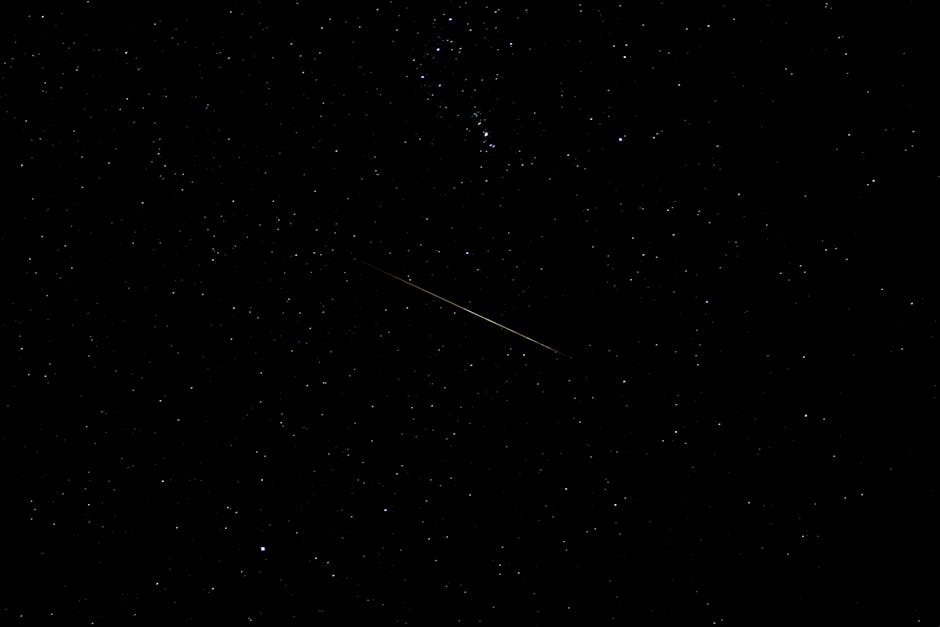
The shower is expected to produce around 20 meteors per hour under ideal viewing conditions, which typically means a dark sky away from city lights. The best time to observe the meteors will be after midnight, particularly around 2 a.m. when the radiant point of the shower rises high in the sky.
Experts argue that one of the best aspects of the Orionids is their visibility during the new moon phase, which occurs just before the peak. This means that moonlight won't interfere with the dimmer meteors, making it easier to spot them streaking across the night sky.
As you prepare for this event, keep in mind that while the Orionids can be stunning, they are not the most prolific meteor shower. However, their connection to Halley's Comet adds a layer of intrigue, as this famous comet is only visible from Earth about once every 76 years.
For those new to meteor watching, it’s advisable to find a comfortable spot, lie back, and allow your eyes to adjust to the dark. It can take around 20 minutes for your eyes to adapt fully. Bring along a blanket or reclining chair, and don’t forget to dress warmly!
As the date approaches, many astronomy enthusiasts will likely share their experiences and tips online, offering a great chance to learn from seasoned observers. According to recent commentary, community discussions can greatly enhance the enjoyment of such events.
In summary, mark your calendars for October 21, 2025, and get ready for a night of cosmic wonder with the Orionid meteor shower!
- Peak viewing time: After midnight on October 21, 2025.
- Best viewing conditions: Dark skies away from city lights.
- Prepare to let your eyes adjust to the darkness for optimal visibility.
Comments
Post a Comment