February is shaping up to be an exciting month for skywatchers, according to NASA. With clear nights, you'll be able to spot the moon along with several bright planets in our solar system.
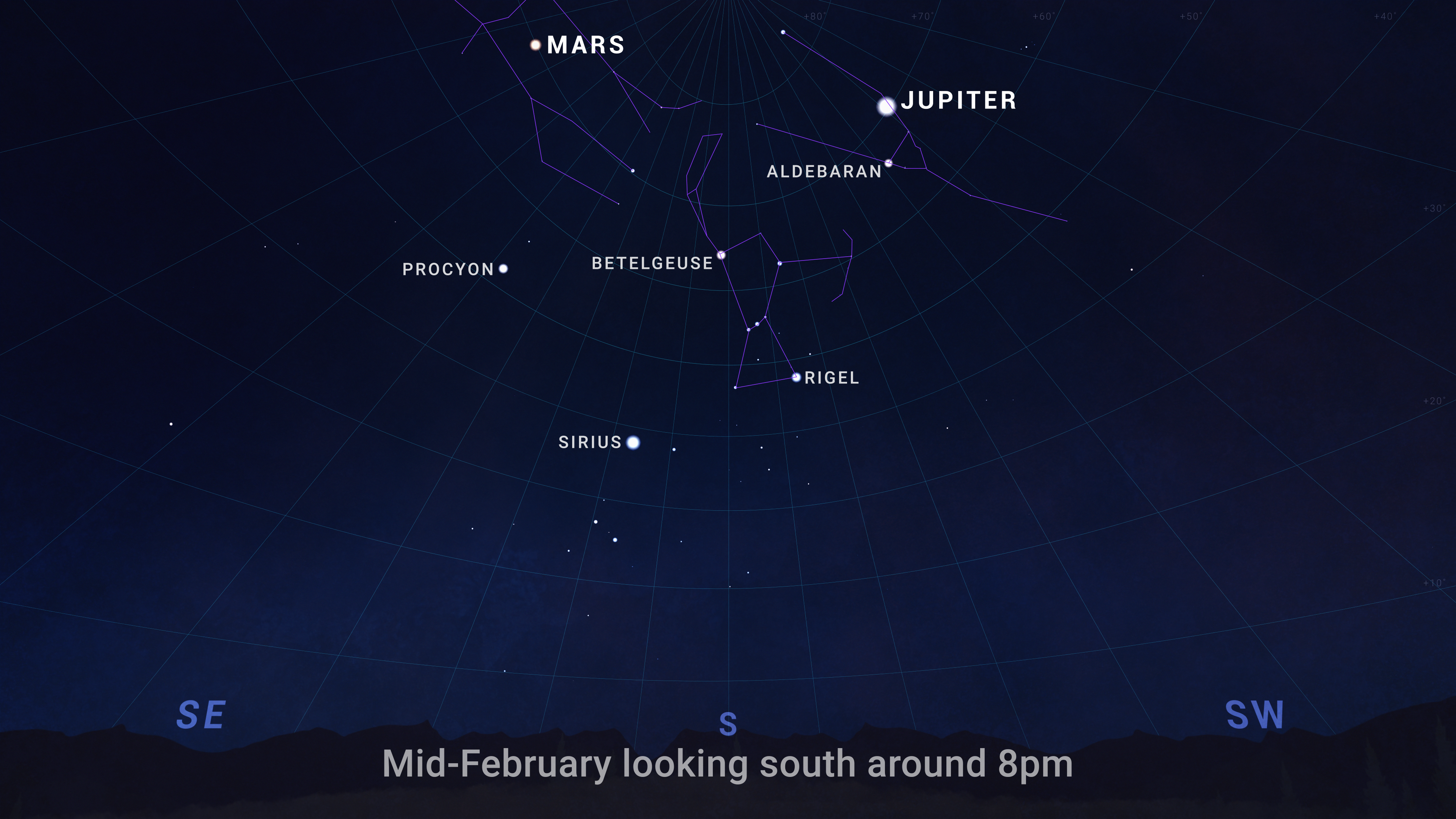
Venus, the dazzling planet associated with the Roman goddess of love, will be particularly brilliant in the west after sunset. Its bright presence will be hard to miss, shining like a jewel in the twilight sky. Jupiter, the king of the planets, will also be visible in the evenings. Its majestic presence, accompanied by its moons, makes for a stunning sight through any telescope.
Mars, identifiable by its amber-orange hue, continues to captivate observers. The Red Planet's distinct color makes it stand out in the night sky, and with a decent pair of binoculars or a telescope, you might even catch a glimpse of its surface features.
For a closer look at these celestial bodies, consider using a pair of binoculars or a telescope. Binoculars are great for spotting Venus, Jupiter, and Mars, while a telescope will give you an even better view of Mercury and Saturn. Binoculars offer a wide field of view and are easy to use, making them perfect for beginners and experienced skywatchers alike.
Here are some recommended products for enhancing your skywatching experience:
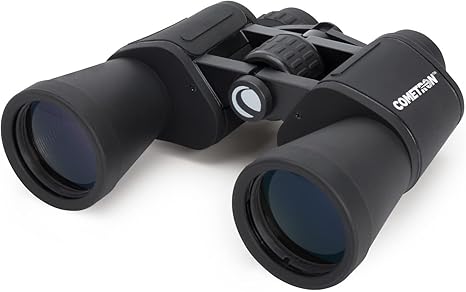
Binoculars: Ideal for both beginners and experienced skywatchers, offering crystal-clear views of celestial objects.
The Celestron - Cometron 7x50 Binoculars are particularly beginner-friendly, featuring large 50mm objective lenses and 7x magnification. These binoculars are perfect for anyone looking to explore the night sky with ease and clarity.
- A telescope can reveal even more wonders of the night sky. With an affordable and decent telescope, you can see the rings of Saturn, the craters of the moon, and even the Great Red Spot on Jupiter. If you're new to using a telescope, it's worth investing in one that's user-friendly and designed for beginners.
- The Celestron - PowerSeeker 127EQ Telescope with finderscope is a great option. It’s a manual German equatorial telescope for beginners that is both compact and portable. As a bonus, it includes an astronomy software package, making it easier to explore and understand the night sky.

Don't forget to mark your calendar for special celestial events this month. On February 24th, Mercury will be particularly easy to spot, appearing bright and close to Saturn. With Mercury shining about eight times brighter than Saturn, this is a fantastic opportunity to observe both planets together in the evening sky.
Remember, skywatching is not just about the planets. Keep an eye out for constellations, star clusters, and even passing meteors. Clear, dark skies offer a window to the universe, filled with countless stars and distant galaxies.
Happy stargazing!
Comments
Post a Comment